
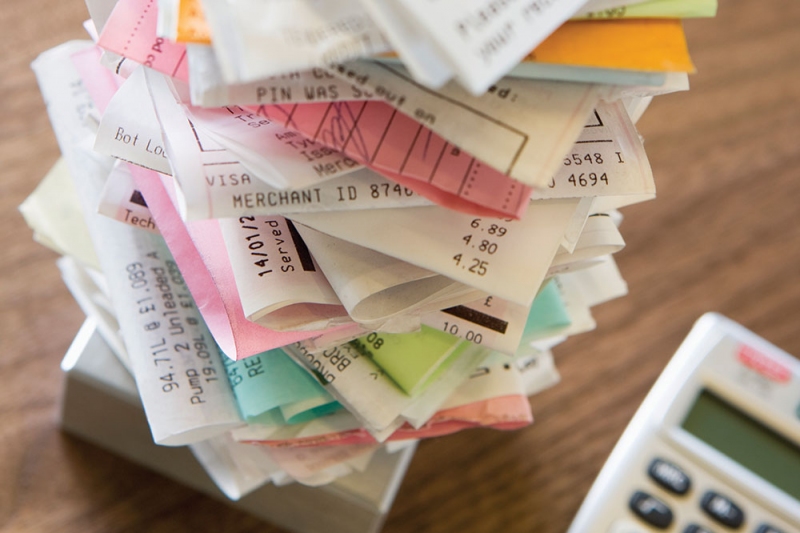
Credit card debt didn’t crash into my life. It snuck in. Quietly. Politely. In what I now call full creep mode.
It started with the best intentions. I got a credit card “just for emergencies.” I wasn’t reckless. I wasn’t buying wild, extravagant things.… life happened.
The car needed an oil change.
A doctor’s appointment popped up.
A friend’s birthday showed up on the calendar.
A “small” unexpected expense here. Another one there.
So, I was doing the very reasonable thing of paying for it now and truly planned to pay it off the next month. Honestly, I really planned to. But each time, something else came up. Each time, I told myself, I’ll just carry it one more month. And because the balance wasn’t huge, it didn’t feel dangerous. That’s the sneaky part. Credit card debt grows (creeps) slowly enough that it’s easy to not notice it – until your buried under it.
Before I knew it, I had four-figure debt sitting on cards with two-figure interest rates. And no matter how hard I tried, I couldn’t seem to get ahead. I’d make a payment, feel proud… and then watch interest quietly undo my progress. It felt discouraging and heavy, like walking up a down escalator.
Here’s what I learned the hard way:
Slow and steady is exactly how I got into credit card debt. And slow and steady is how I got out.
The turning point: a real plan
I’m sure you’ve heard the saying “Hope is not a strategy.” Motivation isn’t enough. What finally changed things for me was having an actual plan and committing to it.
There are two solid, proven ways to pay off credit card debt. Neither is flashy. Both work.
1. The Snowball Method
With this method, you list your credit cards from smallest balance to largest, regardless of interest rate.
You:
- Pay minimums on everything
- Attack the smallest balance with extra money
- Roll that payment into the next card once it’s paid off
This method builds momentum fast. The early wins matter, especially if you’ve been feeling stuck.
2. The Avalanche Method
This approach focuses on math efficiency. You list cards from highest interest rate to lowest.
You:
- Pay minimums on everything
- Put extra money toward the highest-interest card first
- Reduce the amount lost to interest over time
This method saves more money long-term, even if progress feels slower at the beginning.
There’s no “right” choice. The best method is the one you’ll actually stick with.
The real key: consistency
What mattered most wasn’t which method I chose. It was that I:
- Made a clear plan
- Stopped adding new charges
- Paid attention every month
- Kept going even when progress felt slow
Little by little, the balance came down. The interest lost its grip. The stress eased. And eventually, the debt was gone.
Credit cards didn’t wreck my finances overnight. They crept in slowly. But with intention, patience, and consistency, I took control.
If you’re dealing with credit card debt, know this:
You just need a plan.
And the courage to stick with it.
Slow and steady works.


Leave a Reply